
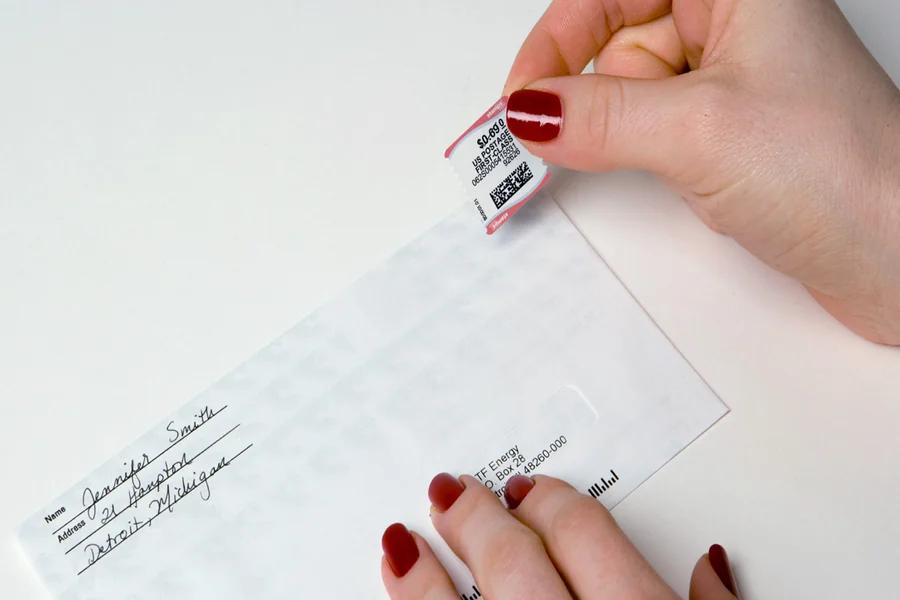
In today’s fast-paced world, sending mail and packages is still a vital part of communication and commerce. Whether you are sending a birthday card, a business proposal, or a heartfelt letter, understanding where to buy stamps and what a postal code is can make the process smoother. This article will guide you on how to purchase stamps easily and provide insights into postal codes and their importance.
Understanding Stamps and Their Importance
Stamps are small pieces of paper or adhesive labels that serve as proof of payment for postal services. They come in various designs, denominations, and are essential for sending mail through postal services. Knowing where to buy stamps can save time and effort, especially if you are sending important documents.
Types of Stamps
When it comes to stamps, there are a few types you should be aware of:
- First-Class Stamps: These are the standard stamps for sending letters and postcards within the United States.
- Priority Mail Stamps: Used for expedited shipping of packages and envelopes.
- International Stamps: Required for sending mail to destinations outside of the United States.
- Forever Stamps: These stamps can be used to mail a letter at the current First-Class rate, regardless of when they are purchased.
Where to Buy Stamps
Knowing where to buy stamps is crucial for both casual mail senders and business needs. Here are some common places you can find stamps:
- Post Offices: Your local post office is the most traditional place to buy stamps. They offer a variety of stamp designs and types.
- Retail Stores: Many grocery stores, pharmacies, and convenience stores sell stamps. Look for a designated section for stamps or ask a store associate for assistance.
- Online: The United States Postal Service (USPS) website allows you to buy stamps and have them delivered to your home. Other online retailers may also sell stamps.
- Mail Kiosks: Some shopping malls and office buildings have self-service kiosks where you can purchase stamps at your convenience.
Understanding Postal Codes
Alongside stamps, postal codes play a crucial role in the mailing process. So, what is postal code? It is a numeric or alphanumeric code used to identify specific geographic regions, making the sorting and delivery of mail more efficient. In the United States, postal codes are commonly known as ZIP codes.
The Functionality of Postal Codes
Postal codes serve several important functions:
- Streamlining Mail Delivery: Postal codes help postal workers sort and deliver mail accurately and efficiently.
- Geographic Identification: They identify specific areas for targeting delivery or demographic information.
- Locating Addresses: Travelers and service providers often use postal codes to find locations and estimate arrival times.
How to Use Stamps and Postal Codes Effectively
Now that you have learned where to buy stamps and what postal codes are, it’s important to know how to use them effectively while sending mail.
Tips for Using Stamps
- Check Weights: Always weigh your mail to determine how many stamps you need for the appropriate postal rate.
- Use Appropriate Stamps: Make sure you are using the right type of stamp for your mailing service—whether First-Class, Priority, or International.
- Keep Stamps Handy: Having a personal supply of stamps at home can reduce last-minute rush trips to the store.
Tips for Using Postal Codes
- Verify Postal Codes: Ensure you have the correct postal code before sending mail; this reduces the chances of delays or misdelivery.
- Use Online Resources: Websites and mobile apps can help you easily find postal codes for any address.
- Keep Up with Changes: Postal codes can be updated or changed; stay informed of any changes, especially if you move.
In Conclusion
Stamps and postal codes are essential components of the mailing system that facilitate communication and delivery. Knowing where to buy stamps can help ensure that you are always prepared to send mail, while understanding what postal codes are can enhance your mailing experience. Whether you are mailing letters to loved ones or important documents for business, these two elements are vital in ensuring a seamless process. Happy mailing!